

The Process of Forming a Micro Nation
A Complete Guide for New Founders
Starting a micronation is an exciting, creative, and empowering project. Some founders do it for culture and community, others for political simulation, artistic expression, or the pursuit of an independent identity.
Regardless of purpose, a successful micronation follows a blend of traditional state-building principles and modern micronational practice.
This guide explains both how to build a micronation and what is required under the internationally recognized theory of statehood.
1. Understand the Legal Foundations of Statehood
While micronations are not recognized by existing countries, they often model themselves on established principles of international law. The most widely referenced is the:
A. Montevideo Convention on the Rights and Duties of States (1933)
-This treaty outlines the Declarative Theory of Statehood, which holds that an entity becomes a state by meeting objective criteria, regardless of outside recognition.
-Article 1 lists four requirements:
- Permanent Population: Define who your citizens are—this may be a single founder, a family, or an entire online community.
- Defined Territory: Identify the land or conceptual space your nation occupies (physical, symbolic, digital, or hybrid).
- Government: Establish an authority capable of governing your population & territory.
- Capacity to Enter Relations with Other States: Demonstrate the ability to communicate & interact with other micronations or entities.
Note: Meeting these criteria does not confer legal independence but grants theoretical legitimacy within the global micronational community.
2. Create Your Own Declaration OF A Micronation
One of the essential steps in founding a micronation is drafting a Declaration of Independence or Declaration of Sovereignty.
Your declaration should include:
- Nation’s name
- Purpose and founding principles
- Statement of sovereignty
- Defined territory
- Form of government
- Date of establishment
- Signatures of the founders
NOTE: This foundational document is the “birth certificate” of your nation and is typically displayed publicly.
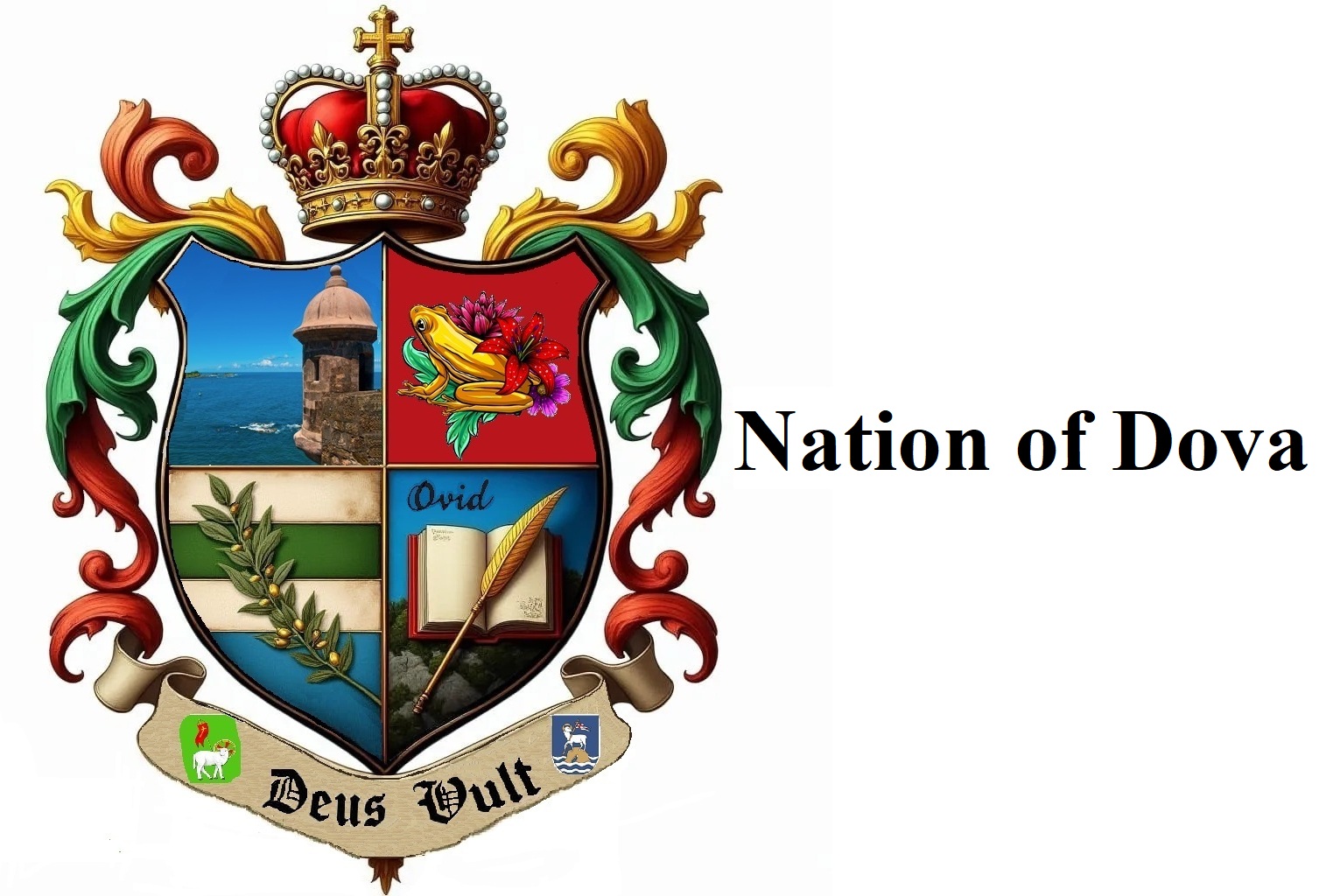
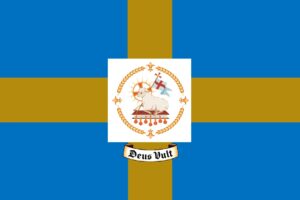
3. Choose Your Nation’s Identity
Develop the unique identity and symbolism of your nation:
- National name
- Flag
- Coat of arms or crest
- Motto
- Anthem or march
- National colors
- Cultural symbols (animal, flower, emblem)
NOTE: These give your nation personality and recognition.
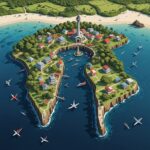
4. Define Your Territory
Your territory may be:
- A portion of private land
- A symbolic or artistic land claim
- A conceptual digital territory
- A combination of physical and virtual spaces
NOTE: Clarity is key. Clearly define and document your territory, even if small or symbolic.
5. Establish Your Government
Your government must be capable of effective control and leadership. Common structures include:
- Absolute or constitutional monarchy
- Republic
- Tribal or council governance
- Merit-based systems
- Hybrid models
Define:
- Executive authority
- Legislative or advisory bodies
- Succession or leadership rules
- Rights and duties of citizens
6. Establish Create Your Constitution & Laws
Founding documents give your nation structure and legitimacy.
Typical documents include:
- Constitution or charter
- Legal code
- Citizenship laws
- Territorial definitions
- State symbols act
- Orders or decrees
NOTE: A well-organized legal system adds credibility.
7. Build Your citizenship system
Determine how your citizens will be recognized.
Decide:
- Who can apply
- Application process
- Whether you offer passports or ID cards
- Whether citizenship is symbolic, active, or tiered
NOTE: Citizenship forms the core of your national community.
8. Create culture, traditions & identity
Culture gives your micronation life and continuity.
Examples include:
- National holidays
- Festivals and ceremonies
- Cuisine
- Art, music, and literature
- Orders of chivalry
- Unique customs or rituals
NOTE: Culture is what transforms an idea into a living nation.
9. Build An online presence
An online presence is essential for interacting with the wider world. You have multiple options:
A. Official Website
Your main site should include:
- Founding documents
- Government information
- Laws and constitution
- Symbols and maps
- Citizenship applications
- National news or journal
NOTE: This serves as your official digital embassy.
B. Wiki-Based Platforms (Highly Popular)
Many micronations choose to create or join a wiki site for organized documentation.
Two common options:
1. MicroWiki (micronation encyclopedia):
-
-
-
- Largest micronational wiki community
- Allows your nation to be listed and described in detail
- Offers visibility, connections, and recognition within the hobby
-
-
2. Building Your Own Wiki:
Using platforms like MediaWiki, Wiki.js, Fandom, or other wiki software, you can create:
-
-
-
-
- A national encyclopedia
- A structured archive of history, culture, and laws
- A transparent record for diplomacy
-
-
-
Benefits of Each:
-
-
-
- Wiki/Micronations is a widely used approach and one of the top recommended tools for serious founders.
- Wikis allow your nation to grow organically and present itself professionally, just like a real-state archive.
-
-
10. engage in diplomacy
To meet the Montevideo requirement of “capacity to enter relations,” engage with other micronations.
Activities include:
-
- Diplomatic correspondence
- Treaty exchanges
- Recognition agreements
- Joining micronational organizations
- Participating in summits or forums
NOTE: Respectful diplomacy elevates your nation’s reputation.
11. Officially lounch Your Nation
Once your structure is in place, formally proclaim your nation.
You may Proceed by:
- Publishing your Declaration
- Celebrating Founding Day
- Announcing your website
- Opening citizenship applications
- Initiating diplomatic outreach
NOTE: This marks the official birth of your micronation.
12. Maintain, grow, evolve
A thriving micronation:
- Updates its laws
- Develops new cultural customs
- Engages its citizens
- Expands diplomatic ties
- Documents national events
- Continues establishing its identity
NOTE: Growth is ongoing and part of the long-term journey.
Conclusion:
Building a micronation blends imagination with structure, creativity with discipline, and sovereignty with personal identity.
By grounding your nation in the principles of the Montevideo Convention, drafting a proper Declaration, establishing culture, and creating a strong online or wiki presence, you create a sovereign-inspired entity that stands confidently in the global micronational community.
Anyone can start a micronation —but those who build lasting nations do so with vision, purpose, and a clear foundation.
For more details of how we formed our Micro Nation, please see our page: https://nation-of-dova.world/declaration-of-a-micro-nation/